How to Lease a Chevrolet in Arlington, WA
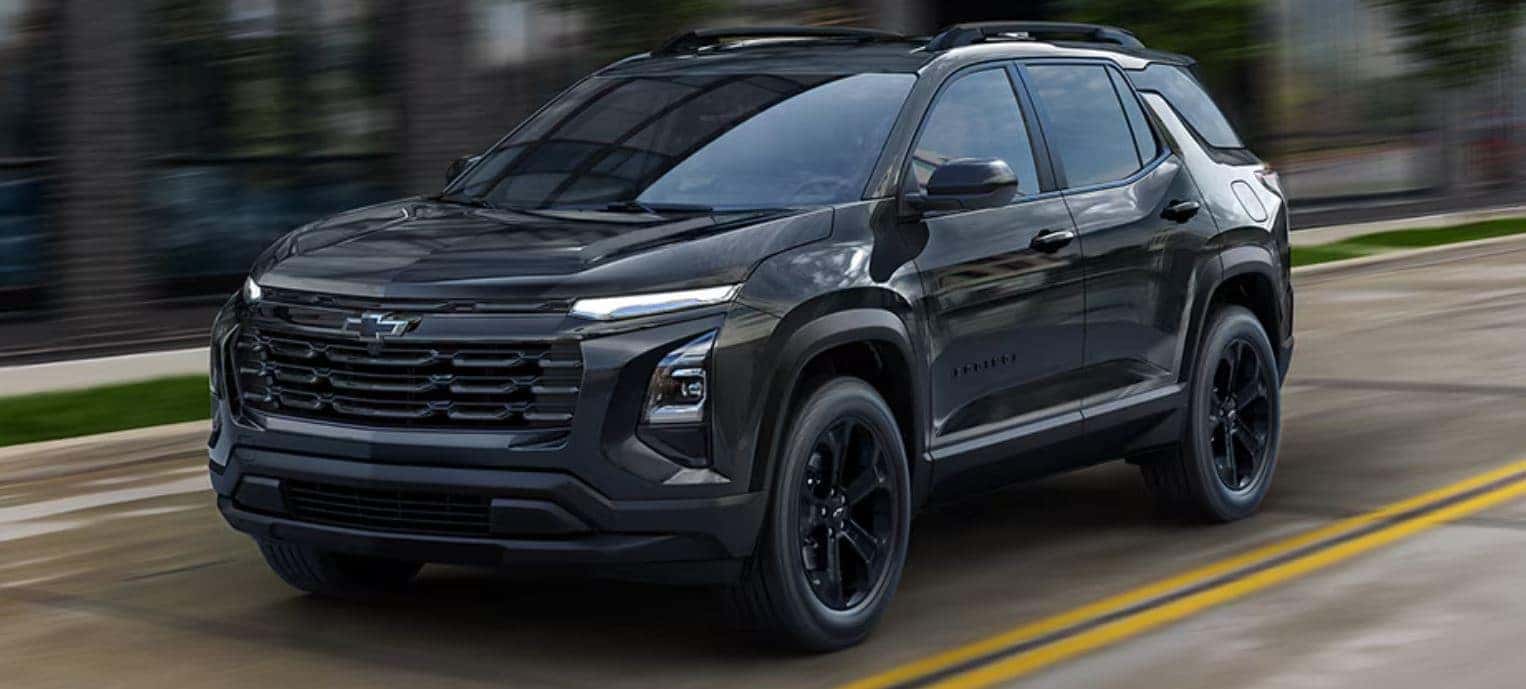
If you’d like to take home a Chevrolet model through an affordable plan, consider doing so through a leasing contract! Those who are interested in this route should speak with our team at Dwayne Lane’s Arlington Chevrolet in Arlington at their earliest convenience!
What Leasing Actually Means
When you lease a car, you’re paying for the use of the vehicle over a set period, usually two or three years. You’re not buying the whole car, just the portion of its value you’ll use up while you drive it. That’s why lease payments tend to be lower than loan payments on the same vehicle. At the end of the term, you hand the keys back, or you decide to buy the car outright.
Picking the Right Term and Mileage
Before you sign anything, think about how you actually drive. Most leases come with mileage limits, often between 10,000 and 15,000 miles a year. If you drive more than that, you’ll owe a fee for every extra mile at the end of the lease. It’s worth being honest with yourself here. If your commute down I-5 is long or you take frequent road trips, ask us about higher mileage packages up front. It’s almost always cheaper to buy extra miles at signing than to pay the overage fee later.
Understanding the Money Factor
Instead of an interest rate, leases use something called a money factor. It looks like a small decimal, something like 0.00125, and it can be confusing if you’ve never seen one before. You can convert it to something closer to an interest rate by multiplying it by 2400. Your credit score plays a big role in the money factor you’re offered, so it helps to know where you stand before you walk in.
What You’ll Pay Upfront
Leases usually involve some money due at signing. This can include the first month’s payment, a down payment (often called a capitalized cost reduction), taxes, and various fees. You don’t always need a large amount down. Putting less down and rolling more into the monthly payment is often a smarter move, since a down payment doesn’t reduce your obligation if the car is totaled or stolen early in the lease. Speak with our Finance Department if you have any further questions!
Residual Value and Why It Matters
The residual value is what the car is predicted to be worth at the end of the lease. A higher residual value generally means a lower monthly payment, because you’re financing less of the car’s depreciation. Some models hold their value better than others, so this is a good question to bring to your salesperson when comparing trims.
Wear and Tear Guidelines
Leased vehicles need to be returned in reasonable condition. Normal wear like small scuffs on the tires or minor interior wear is expected. Larger dents, cracked windshields, or excessive interior damage after many visits to River Meadows County Park can lead to charges when you turn the car in. Many dealerships offer wear and tear protection plans that cover this, and they’re worth asking about if you have kids, pets, or a long commute on rough roads.
Deciding Whether to Lease or Buy
Leasing tends to work well for drivers who like having a new vehicle every few years and don’t want to deal with resale later. Buying makes more sense if you plan to keep a car for a long time or drive well beyond typical mileage limits. Either way, our dealership team is happy to walk through the numbers with you and figure out what fits your situation and your budget.